Discovering Natural Health Alternatives for Wellness

In today’s fast-paced world, many of us are looking for ways to support our health that feel gentle, effective, and in harmony with nature. I’ve found that exploring natural health alternatives can be a wonderful path to wellness. These options often come from plants, herbs, and time-tested traditions that nurture the body and mind without overwhelming side effects. If you’re curious about how to embrace a more natural approach to your well-being, I’m here to share insights, practical tips, and encouragement.
Embracing Natural Health Alternatives for a Balanced Life
When we talk about natural health alternatives, we’re referring to methods and remedies that use nature’s gifts to promote healing and vitality. These can include herbal supplements, essential oils, dietary changes, and lifestyle practices like meditation or gentle exercise. What I appreciate most about these alternatives is their holistic nature - they often address the root causes of discomfort rather than just masking symptoms.
For example, instead of reaching for a quick-fix painkiller, many people find relief through turmeric or ginger, both known for their anti-inflammatory properties. Similarly, calming herbs like chamomile or lavender can support restful sleep and reduce stress. These natural options invite us to slow down, listen to our bodies, and make choices that honor our unique needs.

Turmeric is a popular natural remedy known for its anti-inflammatory benefits.
Exploring Popular Natural Health Alternatives
There is a wide variety of natural health alternatives available, each with its own benefits and uses. Here are some of the most popular and accessible options that I’ve found helpful or heard positive feedback about:
Herbal Teas and Supplements: Herbs like echinacea, ginseng, and valerian root can support immune health, energy, and relaxation.
Essential Oils: Lavender, peppermint, and eucalyptus oils are often used for their soothing scents and therapeutic effects.
Dietary Adjustments: Incorporating whole foods, reducing processed sugars, and adding superfoods like berries and leafy greens can boost overall wellness.
Mind-Body Practices: Yoga, tai chi, and meditation help reduce stress and improve mental clarity.
Natural Topicals: Aloe vera, calendula, and tea tree oil are gentle options for skin care and minor irritations.
Each of these alternatives can be tailored to your lifestyle and preferences. It’s important to start slowly, observe how your body responds, and consult with a healthcare professional if you have any concerns.
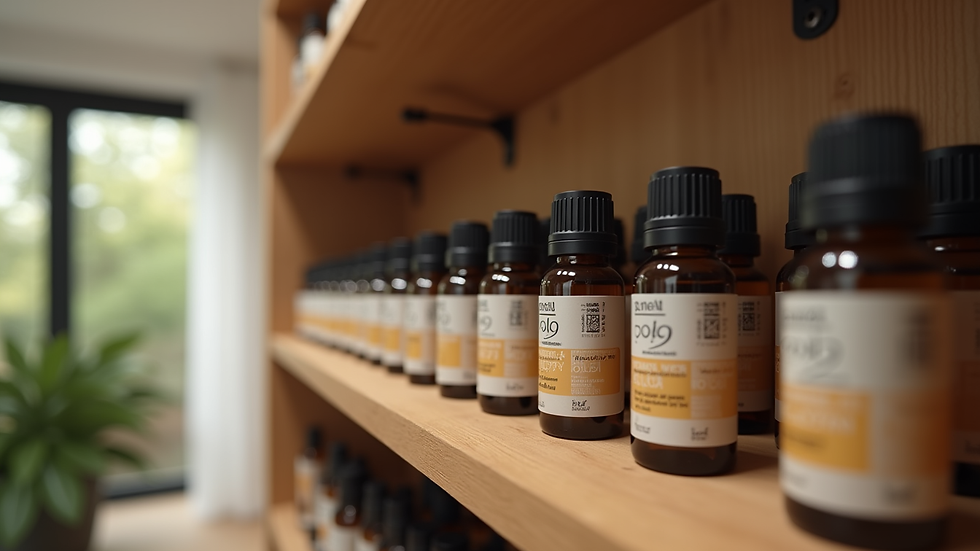
Essential oils offer natural scents and therapeutic benefits for wellness.
Which is the Best Alternative Medicine?
Choosing the best alternative medicine depends on your individual health goals and conditions. There is no one-size-fits-all answer, but I can share some guidance based on common experiences:
If you’re seeking stress relief and better sleep, herbs like valerian root or passionflower, combined with lavender essential oil, often work well.
For digestive support, ginger and peppermint are gentle yet effective choices.
When dealing with inflammation or joint discomfort, turmeric and boswellia supplements have shown promising results.
If you want to boost immunity, echinacea and elderberry are popular natural options.
The key is to listen to your body and be patient. Natural remedies may take longer to show effects compared to conventional medications, but they often come with fewer side effects and support overall balance.
How to Incorporate Natural Alternatives for Health into Your Daily Routine
Integrating natural alternatives into your life can be simple and enjoyable. Here are some practical steps I recommend:
Start with small changes. Try adding a cup of herbal tea in the evening or using a lavender pillow spray before bed.
Create a wellness corner. Dedicate a small space at home for your natural health items like essential oils, supplements, and calming books.
Learn about herbs and their uses. Reliable books or trusted websites can provide valuable information.
Practice mindfulness. Pair your natural remedies with breathing exercises or meditation to enhance their effects.
Stay consistent. Natural health benefits often build over time, so regular use is key.
Remember, natural alternatives for health are about nurturing your body gently and respectfully. They invite you to slow down and reconnect with your own rhythms.
Supporting Wellness Beyond the Basics
Natural health alternatives are not just about remedies; they also encourage a lifestyle that supports long-term wellness. This includes:
Eating mindfully and choosing foods that nourish your body.
Staying active in ways that feel good, like walking in nature or gentle stretching.
Prioritizing rest and creating a calming bedtime routine.
Connecting with others who share your interest in natural health.
Listening to your body’s signals and adjusting your habits accordingly.
By embracing these principles, you create a foundation for vibrant health that goes beyond quick fixes.
Nurturing Your Body and Mind with Natural Choices
Exploring natural health alternatives has been a rewarding journey for me. It’s about more than just remedies - it’s a way to honor the incredible wisdom of nature and our own bodies. Whether you’re curious about herbal supplements, essential oils, or lifestyle changes, I encourage you to take small steps and discover what feels right for you.
If you want to learn more about natural alternatives for health, there are many resources and communities ready to support you. Remember, wellness is a personal path, and every step you take toward natural healing is a step toward greater balance and peace.
Thank you for joining me on this exploration. Here’s to your health and happiness, naturally.


Comments