Anxiety Herbal Remedies: Exploring Herbal Supplements for Anxiety Relief

Living with anxiety can feel overwhelming at times. The constant worry, restlessness, and tension can take a toll on both the mind and body. While many turn to conventional medications, I have found that natural approaches, especially herbal remedies, offer a gentle and effective way to ease anxious feelings. In this post, I want to share insights about anxiety herbal remedies and how they can support your journey toward calm and balance.
Understanding Anxiety Herbal Remedies
Herbal remedies have been used for centuries to promote relaxation and reduce stress. These natural options often come from plants known for their calming properties. Unlike synthetic drugs, herbal supplements tend to work with your body’s natural rhythms, helping to soothe without harsh side effects.
Some of the most popular anxiety herbal remedies include:
Chamomile: Known for its mild sedative effects, chamomile tea or extract can help reduce nervousness and promote restful sleep.
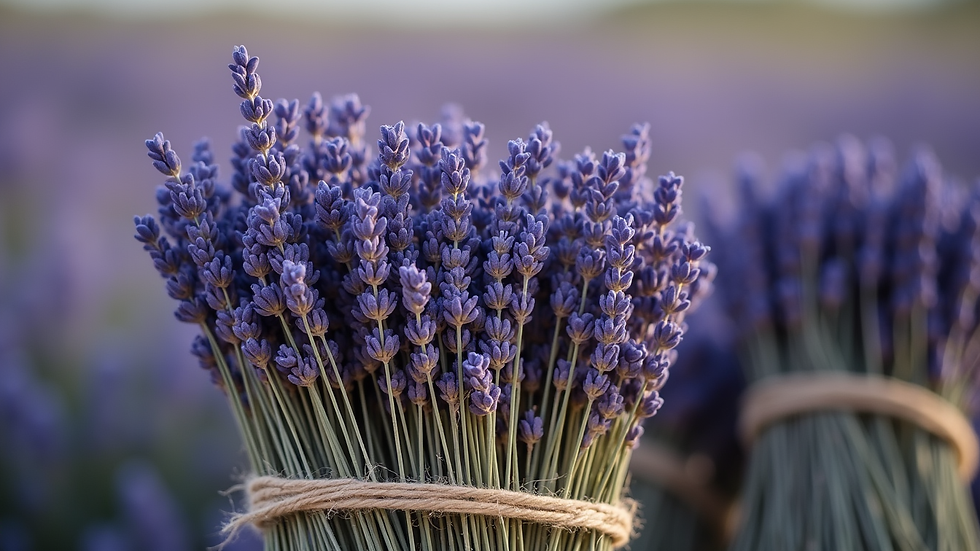
Lavender: Often used in aromatherapy, lavender can also be taken as a supplement to ease tension and improve mood.
Valerian Root: This herb is commonly used to improve sleep quality and reduce anxiety symptoms.
Passionflower: It may help calm the mind and reduce feelings of anxiety.
Lemon Balm: A gentle herb that can lift mood and ease stress.
These herbs can be consumed as teas, tinctures, capsules, or essential oils, depending on your preference and lifestyle.

How do you treat anxiety without medication?
Treating anxiety without medication involves a combination of lifestyle changes, mindfulness practices, and natural supplements. Here are some practical steps that have helped me and many others:
Mindful Breathing and Meditation
Taking a few minutes each day to focus on your breath can calm your nervous system. Simple breathing exercises or guided meditations help reduce the intensity of anxious thoughts.
Regular Physical Activity
Exercise releases endorphins, which are natural mood boosters. Even a daily walk outdoors can make a significant difference.
Balanced Diet
Eating nutrient-rich foods supports brain health. Avoiding excessive caffeine and sugar can prevent spikes in anxiety.
Adequate Sleep
Prioritizing restful sleep is crucial. Herbal remedies like valerian root or chamomile can support better sleep patterns.
Social Connection
Talking with friends, family, or support groups can provide comfort and reduce feelings of isolation.
Incorporating Herbal Supplements
Adding herbal supplements for anxiety to your routine can enhance these natural strategies. For example, a calming tea before bed or a lavender supplement during stressful moments can be very effective.
By combining these approaches, you create a supportive environment for your mind and body to heal and thrive.
The Science Behind Herbal Supplements for Anxiety
You might wonder how these herbs actually work. Many anxiety herbal remedies contain compounds that interact with the brain’s neurotransmitters, such as gamma-aminobutyric acid (GABA). GABA helps regulate nervous system activity and promotes relaxation.
For instance:
Valerian root increases GABA availability, which can reduce anxiety and improve sleep.
Passionflower may boost GABA levels, calming the brain.
Lavender has been shown in studies to reduce anxiety symptoms when taken orally or inhaled.
While herbal supplements are not a cure-all, research supports their role as helpful tools in managing mild to moderate anxiety. It’s important to use them responsibly and consult with a healthcare provider if you have any health conditions or are taking other medications.
Tips for Choosing and Using Herbal Supplements Safely
When exploring herbal supplements for anxiety, safety and quality are key. Here are some tips to keep in mind:
Buy from Reputable Sources
Look for products that are tested for purity and potency. This ensures you get the benefits without harmful additives.
Start with Low Doses
Begin with the smallest recommended dose to see how your body responds.
Be Patient
Herbal remedies often take time to show effects. Consistency over weeks is usually necessary.
Avoid Mixing Without Guidance
Some herbs can interact with medications or other supplements. Always check with a healthcare professional.
Listen to Your Body
If you notice any adverse reactions, stop using the supplement and seek advice.
By following these guidelines, you can safely incorporate herbal supplements into your wellness routine.
Embracing a Holistic Approach to Anxiety Relief
Herbal supplements for anxiety are just one part of a broader, holistic approach to mental wellness. Combining natural remedies with healthy habits creates a balanced lifestyle that supports emotional resilience.
Here are some additional ideas to consider:
Create a Relaxing Environment
Use calming scents like lavender or chamomile in your home. Soft lighting and comfortable spaces can reduce stress.
Practice Gratitude and Journaling
Writing down positive thoughts or daily reflections can shift your mindset away from worry.
Engage in Creative Activities
Painting, gardening, or playing music can be therapeutic outlets for anxious energy.
Stay Connected to Nature
Spending time outdoors has a grounding effect and can improve mood.
Remember, managing anxiety is a journey. It’s okay to try different methods and find what works best for you. Herbal supplements can be a gentle companion on this path, helping you nurture both your body and mind.
I hope this exploration of anxiety herbal remedies inspires you to consider natural options for calming your mind. If you’re curious to learn more about herbal supplements for anxiety, feel free to explore trusted resources and consult with wellness experts. Taking small, mindful steps can lead to meaningful relief and a greater sense of peace.


Comments